
Nobody gets excited when they receive notice of a regulatory audit. For hazardous materials companies and pipeline operators, a PHMSA audit can trigger a lot of questions. What will inspectors ask for? How far back will they look? Are they reviewing paperwork, facilities, employees, or all of the above? The short answer is: usually all of the above. The Pipeline and Hazardous Materials Safety Administration (PHMSA) is responsible for overseeing the safe transportation of hazardous materials and the safe operation of the nation’s pipeline infrastructure. Audits and inspections are one of the agency’s primary tools for making sure companies are following federal safety requirements.
These reviews aren’t casual check-ins. They’re structured compliance evaluations designed to identify risks before they become accidents, spills, releases, injuries, or major enforcement cases. The good news is that most PHMSA audits don’t become major problems because of one isolated mistake. More often, issues arise when companies allow small compliance gaps to accumulate over time. Understanding how PHMSA inspections work and what inspectors are looking for can make the process significantly less stressful.
What PHMSA Audits and Inspections Are and Why They Matter
People often use the terms “audit” and “inspection” interchangeably, but they’re not exactly the same thing. A PHMSA audit typically focuses on systems, records, procedures, and compliance programs. Auditors want to know whether a company has the processes necessary to meet federal requirements consistently. An inspection tends to be more operational. Inspectors may visit facilities, observe activities, examine equipment, review shipping operations, and verify that procedures are being followed in practice.
Think of it this way. An audit asks whether your compliance system works. An inspection asks whether you’re actually using it. Together, PHMSA audits and inspections create a comprehensive picture of how a company manages safety and compliance. For operators, these reviews matter because enforcement actions rarely begin with a single event. They often start when regulators discover weaknesses in documentation, training, maintenance practices, or operational controls. Strong compliance systems help prevent those problems from developing in the first place.
Types of PHMSA Inspections and Audit Programs
Not every PHMSA inspection looks the same. Some reviews are routine and scheduled as part of ongoing regulatory oversight. These are designed to verify that organizations continue meeting federal requirements year after year. Others are much more focused. If regulators identify concerns involving training, packaging procedures, hazardous materials classification, pipeline integrity, or recordkeeping practices, they may conduct targeted inspections aimed specifically at those areas.
There are also enforcement-driven inspections. These often occur after incidents, accidents, releases, complaints, or previous violations. In those situations, regulators typically want to determine whether compliance failures contributed to the event. Pipeline operators may encounter integrity management audits that focus heavily on long-term risk management, maintenance planning, inspection programs, and system safety controls. While the specific scope varies, all of these programs serve the same purpose: identifying safety risks before they become larger problems.
What Triggers a PHMSA Audit or Inspection?
One of the biggest misconceptions about PHMSA audits is that companies are only inspected when they’ve done something wrong. That’s not always the case. Some inspections are selected as part of routine oversight activities. Regulators need visibility into industry compliance levels, and periodic reviews help provide that information. That said, certain factors can increase the likelihood of regulatory attention.
Previous violations are a common trigger. So are accident histories, incident reports, enforcement actions, and recurring compliance concerns. Companies handling higher-risk hazardous materials may receive greater scrutiny simply because the consequences of noncompliance are more severe. Operational changes can also attract attention. Expanding facilities, introducing new products, changing transportation practices, or modifying pipeline operations can all create new compliance risks. Public complaints and reporting inconsistencies may lead regulators to take a closer look as well. In many cases, audits aren’t random at all. They’re risk-based evaluations designed to focus resources where potential safety concerns appear greatest.
Key Areas PHMSA Inspectors Evaluate
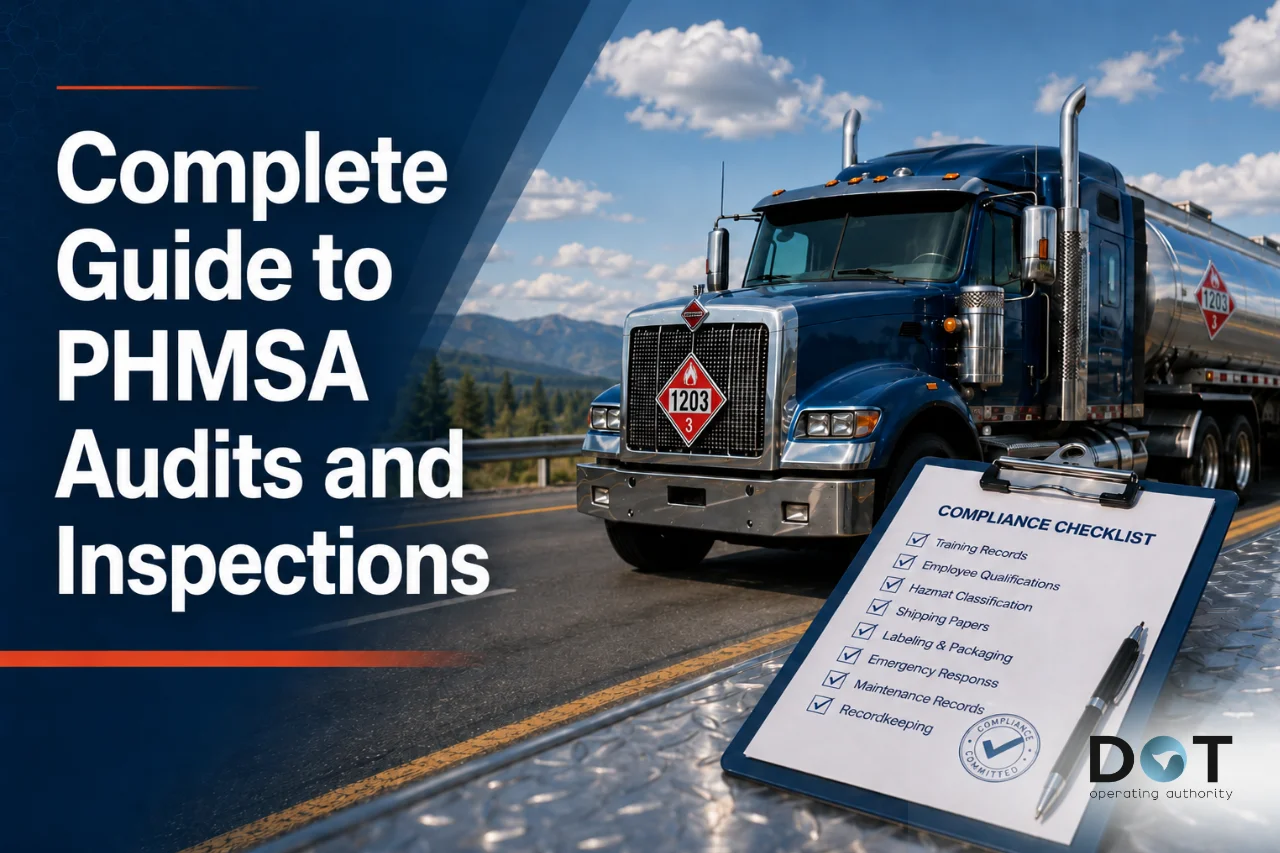
Regardless of the inspection type, there are several areas inspectors routinely review. Training records are almost always near the top of the list. Companies must be able to demonstrate that employees have received required training and that records are accurate, complete, and current. Hazardous materials classification is another major focus. Regulators want to verify that products are properly identified, packaged, marked, labeled, and documented before entering transportation systems.
Shipping papers, emergency response information, packaging certifications, and operational procedures often receive detailed scrutiny. For pipeline operators, inspectors frequently examine integrity management programs, maintenance records, inspection schedules, repair documentation, and risk assessment processes.
Emergency response preparedness is another recurring theme. Companies need more than written plans sitting on a shelf. Inspectors often look for evidence that emergency procedures are understood, maintained, and integrated into operations. The common thread across all these areas is documentation. If an activity occurred, companies should be able to prove it.
The PHMSA Audit and Inspection Process Step by Step
Many organizations imagine audits as confrontational events. In reality, the process is usually methodical and evidence-driven. Some audits begin with formal notification. Companies receive advance notice outlining the scope of the review and requested documentation. Other inspections may occur with little warning, particularly when enforcement concerns or incident investigations are involved. Once the review begins, inspectors typically gather documentation and compare records against regulatory requirements. They may interview employees, supervisors, compliance personnel, and management representatives.
Facility walkthroughs often follow. Inspectors observe operations, verify procedures, examine equipment, and evaluate whether actual practices align with documented policies. After the review, findings are compiled into official reports. If deficiencies are identified, organizations may be required to implement corrective actions within specified timelines. Follow-up reviews are common when significant issues are discovered. The process isn’t based on opinions or assumptions. Regulators look for objective evidence that compliance requirements are being met.
Common Violations Found During PHMSA Inspections
When PHMSA identifies violations, the issues are often surprisingly familiar. Incomplete training documentation is one of the most common findings. Employees may have received training, but records don’t fully demonstrate compliance. Classification errors also appear regularly. Incorrect hazard classes, improper packaging selections, and inaccurate shipping descriptions can create significant regulatory concerns.
Labeling and marking deficiencies remain frequent inspection findings across the hazardous materials industry. Recordkeeping problems show up almost everywhere. Missing maintenance records, incomplete inspection reports, inconsistent procedures, and poor documentation practices can
quickly undermine an otherwise strong compliance program. For pipeline operators, maintenance and integrity management deficiencies often attract attention because they directly affect safety performance. Most violations aren’t caused by a lack of effort. They’re usually symptoms of weak compliance systems that allow mistakes to go unnoticed.
How to Prepare for a PHMSA Audit or Inspection
The best audit preparation starts long before anyone from PHMSA calls. Companies that perform regular internal reviews tend to identify issues before regulators do. That alone can significantly reduce compliance risk. Training records should be reviewed periodically to confirm they remain current and complete. Shipping documentation should be checked for accuracy. Procedures should be compared against current regulations, not versions that may have been updated years ago.
Some organizations conduct mock inspections as part of their PHMSA audit preparation process. It sounds simple, but it works. Having someone walk through operations as if they were an inspector often reveals weaknesses that daily routines overlook. Most importantly, address problems immediately when they’re discovered. Waiting until an official inspection rarely improves the outcome.
Consequences of Non-Compliance
A failed inspection can create much bigger problems than a corrective action request. PHMSA enforcement actions may include substantial civil penalties depending on the severity of violations and the risks involved. Operational restrictions can occur in serious cases, particularly when regulators believe safety is compromised. Repeated violations tend to attract even more scrutiny. Organizations with a history of compliance issues often face increased inspection frequency and closer regulatory oversight.
There are business consequences too. Customers, insurers, investors, and business partners pay attention to compliance performance. A poor regulatory record can affect relationships long after an inspection is complete. For many companies, reputational damage becomes more expensive than the original penalty.
Best Practices for Staying Audit-Ready Year-Round
The companies that handle audits most successfully usually don’t prepare for audits at all. They prepare for compliance. There’s a difference. Instead of scrambling before inspections, they maintain strong documentation systems throughout the year. Training programs stay current. Procedures are reviewed regularly. Internal audits happen routinely.
Records are organized and accessible. Compliance responsibilities are clearly assigned. Potential risks are identified and addressed before they become findings. Audit readiness becomes a byproduct of good operational discipline. That’s ultimately what regulators want to see: not a company that can temporarily prepare for an inspection, but one that consistently operates in compliance with federal requirements.
PHMSA audits and inspections are a normal part of operating within the hazardous materials and pipeline industries. While the process can feel intimidating, it becomes much more manageable when organizations understand what inspectors are evaluating and maintain strong compliance practices year-round. The most successful operators don’t wait for an audit notice to think about compliance. They build systems that support accurate records, effective training, reliable procedures, and continuous improvement every day. That approach doesn’t just reduce regulatory risk. It creates safer operations, stronger compliance programs, and far smoother interactions whenever PHMSA inspectors arrive at the door.