A refrigerated truck can arrive without a scratch and still deliver a damaged load. That is what makes refrigerated truck insurance different from looking only at ordinary collision risks. Temperature-sensitive freight can be affected by refrigeration failure, power interruptions, incorrect temperature settings, loading delays, handling problems, or storage conditions. A cargo claim can therefore develop even when the truck itself was never involved in an accident.
The right coverage depends on much more than the fact that a carrier operates a reefer. Insurers may need to understand the tractor and trailer, cargo type, routes, refrigeration equipment, drivers, maintenance program, claims history, and how temperature conditions are monitored.For carriers, the important task is to understand what each coverage actually protects. Cargo insurance, liability insurance, physical damage, trailer protection, and reefer breakdown coverage address different exposures and should not be treated as interchangeable.
What Is Refrigerated Truck Insurance?
Refrigerated truck insurance is a broad term for commercial trucking coverage arranged around carriers that transport temperature-sensitive freight in refrigerated trucks or trailers.
Common reefer cargo can include:
- Fresh produce
- Frozen foods
- Dairy products
- Meat and seafood
- Pharmaceuticals
- Other goods that need controlled temperatures
DAT notes that refrigerated operations create specialized risk because temperature-sensitive cargo can be affected by refrigeration equipment failure, power loss, or other conditions that lead to spoilage. That does not mean there is one universal policy called “refrigerated truck insurance” containing every protection a carrier could need. A reefer truck insurance program may combine several forms of coverage depending on the business. These can include primary auto liability, motor truck cargo, physical damage, general liability, trailer coverage, and endorsements addressing refrigeration breakdown or temperature-related cargo losses. The exact combination depends on the carrier and policy.
What Is a Refrigerated Truck Called?
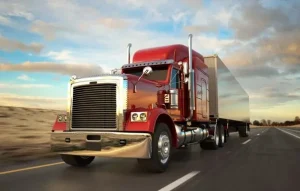
A refrigerated truck is commonly called a reefer truck. The name comes from “refrigerated” and is used throughout trucking for temperature-controlled trucks, trailers, freight, and operations.
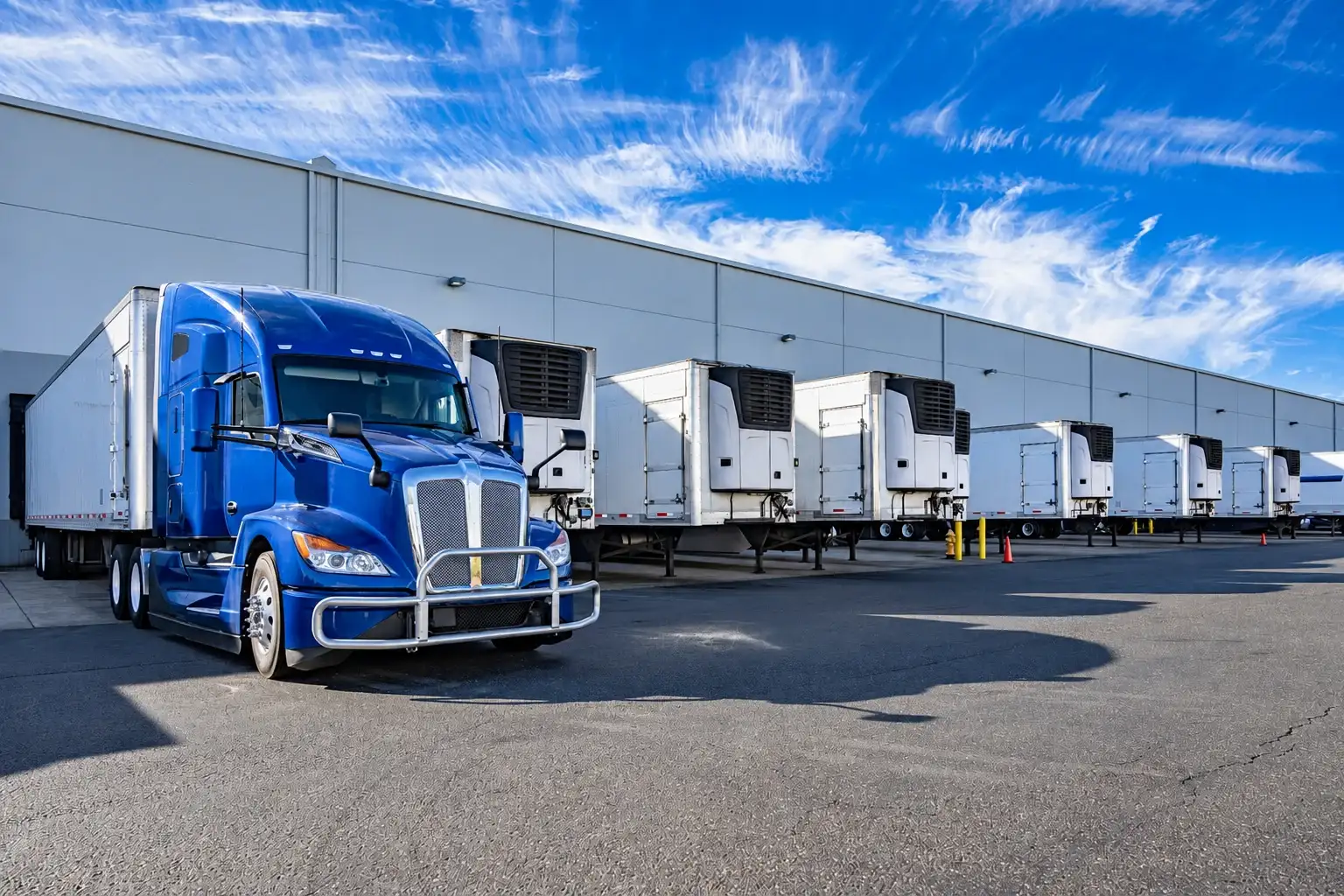
That is why terms such as reefer truck insurance, reefer cargo insurance, and reefer breakdown coverage generally refer to insurance issues involving refrigerated transportation.A reefer can be a straight truck with an integrated refrigerated body or a tractor pulling a refrigerated trailer. The equipment arrangement matters because the carrier may need to consider both the vehicle and the refrigeration system when reviewing coverage.
What Insurance Do You Need for a Truck?
There is no single insurance package that every commercial truck needs. The appropriate coverage depends on what the carrier hauls, whether it owns or leases the equipment, the type of authority it operates under, where it travels, and the contractual requirements imposed by shippers, brokers, lenders, or other parties. For refrigerated operations, common coverage areas can include:
- Primary auto liability
- Motor truck cargo
- Physical damage
- General liability
- Trailer physical damage or trailer interchange
- Refrigeration or reefer-breakdown protection where applicable
Motive describes motor truck cargo coverage as protection for freight against covered loss or damage and physical damage as coverage addressing damage to the commercial vehicle itself. DAT similarly distinguishes liability, cargo, physical damage, and specialized refrigerated-goods coverage. The important question is not merely “Do I have truck insurance?” It is whether the coverage matches the equipment and freight the business actually operates.
What Does Reefer Cargo Insurance Cover?
Reefer cargo insurance generally starts with motor truck cargo coverage. Motor truck cargo insurance addresses the freight a for-hire carrier is responsible for transporting. Motive identifies examples of covered causes that may include vehicle crashes, fire, or striking a load, depending on the policy. Refrigerated freight creates another question: what happens when the product is damaged because its required temperature was not maintained?
That should never be answered simply by saying that ordinary cargo coverage automatically pays for spoiled freight. Reefer carriers may need specific reefer breakdown coverage or another temperature-related endorsement. Some cargo forms can exclude or restrict refrigeration-breakdown losses unless the appropriate coverage is added.
Carriers should review:
- Covered commodities
- Cargo limits
- Deductibles
- Refrigeration-breakdown provisions
- Temperature-change exclusions
- Required monitoring or maintenance conditions
- Theft restrictions
- Loading and storage conditions
- Claim documentation requirements
The cargo policy should reflect what the trailer actually carries. Pharmaceuticals, frozen food, produce, meat, and other commodities do not necessarily present identical insurance exposures.
What Is Refrigerated Freight Liability Insurance?
The phrase refrigerated freight liability insurance can be misleading if it sounds like one standardized policy. Liability coverage and cargo coverage protect different interests. Primary auto liability addresses covered bodily injury and property damage caused to others through operation of the insured commercial vehicle. DAT describes liability coverage as addressing injuries to other people and damage to their property resulting from truck accidents.
It generally does not pay to repair the carrier’s own truck or compensate for spoiled freight simply because those losses occurred during the same incident. General liability can address certain business liabilities outside normal vehicle operation, depending on the policy. Cargo coverage, meanwhile, concerns the goods being transported. For a reefer operation, a carrier may therefore need liability protection for road exposures and separate cargo protection for the temperature-sensitive freight in the trailer.
Does Reefer Trailer Insurance Cover the Equipment?
A refrigerated trailer has value beyond the box itself. It can contain insulation, electrical components, temperature-control systems, refrigeration machinery, monitoring equipment, and other specialized components. Physical damage insurance generally protects insured commercial vehicles against covered collision losses and specified non-collision events . DAT and Motive both distinguish physical damage from liability and cargo coverage.
For an owned reefer trailer, carriers should confirm that the trailer itself is scheduled or otherwise covered correctly and determine how the refrigeration equipment is treated. If the carrier pulls a trailer owned by someone else, trailer interchange coverage may become relevant. DAT describes trailer interchange insurance as physical damage protection for a non-owned trailer being hauled under a trailer interchange agreement. Do not assume that insuring the tractor automatically provides full protection for the refrigerated trailer, refrigeration unit, and cargo inside it. Those are separate questions to review with the insurer.
Which Risks Matter Most in Truck Insurance for Refrigerated Freight?
The defining risk in refrigerated hauling is that cargo condition depends on maintaining the cold chain. Associated Alliance notes that temperature-sensitive goods can be affected at multiple points, including storage facilities, terminals, loading operations, transshipment, and inland transportation. Losses can result in rejected shipments, disposal costs, contractual disputes, and supply-chain disruption. Equipment breakdown is an obvious concern, but it is not the only one. Important refrigerated-freight risks include:
- Refrigeration-unit failure
- Power interruption
- Incorrect temperature settings
- Loading delays
- Improper pre-cooling or preparation
- Door or seal problems
- Handling errors
- Inadequate storage conditions
- Temperature deviations during transit
- Failure to detect a temperature problem early
DAT specifically identifies equipment failure and power outages among the specialized risks that can cause spoilage in refrigerated operations. That is why truck insurance for refrigerated freight has to consider both physical transportation risks and the condition of the cargo itself.
Does Reefer Breakdown Coverage Protect Against Cargo Spoilage?
Potentially, but not every spoilage claim is automatically covered. A reefer unit stopping is one possible cause of temperature loss. Associated Alliance notes that refrigerated cargo may also be damaged by incorrect settings, loading delays, interruptions in power, poor storage conditions, or handling problems. The policy language determines which events are covered. A carrier should review whether its cargo coverage specifically addresses mechanical refrigeration breakdown, temperature change, power failure, or other causes relevant to its operation.
Can Cargo Spoilage Insurance Cover a Reefer Breakdown?
Cargo spoilage insurance may provide protection for qualifying temperature-related losses when the policy covers the event that caused the spoilage. But the words “the cargo spoiled” do not determine coverage by themselves.When examining a refrigerated cargo claim, insurers may look at:
- The proximate cause of the loss
- Condition of the cargo before transportation
- Packaging and preparation
- Required temperature range
- Temperature records
- Monitoring data
- Storage conditions
- Handling practices
- Maintenance information
- Circumstances surrounding the refrigeration failure
Associated Alliance specifically identifies cargo condition, packaging, temperature records, storage and handling procedures, and the proximate cause as factors insurers may consider when assessing refrigerated cargo losses. That makes documentation particularly important for reefer carriers. Temperature logs and monitoring records can help establish what happened, when conditions changed, and whether the cargo remained within its required range before the incident.
What Does Refrigeration Unit Insurance Cover?
Refrigeration unit insurance is another phrase that should not be treated as the name of one standardized standalone policy. Depending on the insurer and policy structure, protection involving the refrigeration system may be addressed through physical damage coverage, equipment-related endorsements, reefer breakdown protection, cargo coverage, or a combination of provisions. The key questions are: Does the policy protect the refrigeration equipment itself if it is damaged by a covered cause? Does it address cargo loss resulting from mechanical breakdown? What exclusions or waiting periods apply? Are maintenance and temperature records required?
Does a power interruption qualify? Are all commodities covered? A carrier can have protection for physical damage to the reefer unit without necessarily having coverage for every dollar of resulting spoiled cargo. That distinction should be confirmed before a claim happens.
What Do Insurers Look For When Pricing Reefer Truck Insurance?
Insurers generally evaluate the complete operation, not just the age or make of the refrigerated truck. DAT identifies risk factors such as fleet size, cargo type, geographic operating area, driver records, and scope of operations. It also specifically identifies refrigerated goods as a specialized trucking exposure.
For a reefer carrier, underwriting information may include:
- Number and type of tractors and trailers
- Commodities hauled
- Cargo values
- Operating radius and states traveled
- Driver history and experience
- Vehicle and trailer condition
- Refrigeration equipment
- Maintenance practices
- Claims and loss history
- Safety procedures
- Temperature-monitoring practices
Keeping records of inspections, reefer service, repairs, temperature monitoring, and responses to equipment problems can help demonstrate how the carrier manages that exposure. Good risk management does not guarantee a lower premium. Insurance pricing still depends on the insurer, policy structure, limits, deductibles, drivers, claims history, cargo, operating territory, equipment, and many other underwriting factors. That is also why there is no useful universal answer for refrigerated truck insurance cost.A single-truck operator hauling regional produce does not present the same exposure as a larger fleet carrying high-value pharmaceuticals across the country. The quote needs to reflect the operation that actually exists.
Refrigerated truck insurance needs to account for more than what happens when a truck crashes. A reefer carrier can face liability claims, trailer damage, refrigeration-unit problems, stolen freight, temperature excursions, rejected loads, and cargo spoilage. Those risks can involve several different insurance coverages rather than one all-purpose reefer policy.
Review primary liability separately from cargo coverage. Confirm how the tractor, refrigerated trailer, and refrigeration equipment are insured. Look closely at reefer breakdown coverage and the conditions governing temperature-related losses. Just as importantly, keep the records that may matter after a loss: maintenance reports, inspection records, cargo information, temperature logs, monitoring data, and documentation of what happened.
The goal is not simply to have a policy with “reefer” somewhere in the description. It is to understand whether the coverage follows the actual risk from the tractor, to the refrigeration unit, to the temperature-sensitive cargo inside the trailer.